When To Call For Professional Tree Removal
I have spent enough years around trees to know that the decision to cut one down is rarely easy. Most homeowners look at their backyard oak or front-yard maple and see something they planted, something their kids climbed, something that shaded the porch for decades. Nobody wants to be the one who makes the call. But there comes a point when the risk of keeping a tree outweighs the pain of removing it.
Living in Volusia County, we see a particular mix of weather and soil that puts extra stress on trees. Sandy ground, summer afternoon storms, and the occasional hurricane all take their toll. Over time, even a healthy-looking tree can develop hidden weaknesses. Knowing when you actually need professional tree removal is about reading the signs early and making a judgment call before the tree makes one for you.
The Obvious Signs You Cannot Ignore
Some problems are hard to miss. A tree that leans more than fifteen degrees from vertical, especially if the lean is recent, has a structural problem. The roots are losing their grip. If the lean happened overnight or after a storm, the tree might already be partially uprooted. That is a situation where tree removal becomes an immediate safety concern rather than a landscaping choice.
Large dead branches, or what arborists call widowmakers, are another clear signal. When a branch is big enough to punch through a roof and it has no leaves, no bark that peels green underneath, and no sign of life, it is only a matter of time before it falls. I have seen people try to prune these themselves with a pole saw, but the angle and weight make it dangerous. If the branch is more than four inches in diameter and hanging over a structure, a professional should handle it.
Fungal growth on the trunk or around the base is worth paying attention to. Mushrooms growing near the roots indicate internal rot. The tree might look fine from twenty feet away, but the decay inside could mean the trunk is hollowing out. You cannot fix rot with fertilizer or trimming. At that point, removal is the realistic option.
The Less Obvious Problems
Some issues are not as easy to spot. Cracks in the trunk, for example, can run vertically along the bark and signal a split that is getting worse with each wind event. A single crack might not kill the tree, but if it goes deep into the wood, the tree could fail at that point during a storm. I have watched healthy-looking oaks split right down the middle in a straight-line wind because of a crack that was hidden behind the bark.
Connect with us on YouTube.
Another subtle sign is soil heaving. If the ground around the base of the tree is pushed up, especially on one side, the root system is likely failing. That is common in our sandy Florida soil after heavy rain. The roots loosen, the tree tilts, and the whole thing becomes unstable. You might not notice the heave until you trip over it, but once you see it, you should call someone for an evaluation.
Root damage from construction is also a frequent issue in suburban neighborhoods. When a driveway or patio was poured close to a tree, the roots were likely cut. Trees can survive root loss for a while, but eventually the canopy starts dying back, and the tree becomes a hazard. If you see thinning leaves on one side or dead tips on branches, root damage might be the cause.
Why DIY Tree Work Is Dangerous
I get why people try to handle tree work themselves. Professional services are not cheap, and a chainsaw rental is relatively affordable. But the difference between trimming a low branch and removing a whole tree is massive. Tree removal involves understanding weight distribution, tension points, and drop zones. A branch that looks like it will fall straight down can swing sideways and take out a fence or a person.
Ladder work with a chainsaw is one of the leading causes of serious injury among homeowners. The combination of height, heavy equipment, and unpredictable wood makes for a bad mix. Even if you tie off the branch, the release of tension can whip the saw back toward you. I have seen enough ER visits from do-it-yourself tree work to say with confidence: leave the big stuff to people who do it daily.
When Timing Matters
Seasonal timing matters for tree removal, though not for the reasons most people think. In Florida, the rainy season runs from late spring through early fall. Wet ground means heavier trees and softer soil, which makes removal messier and more expensive. If the tree is not an immediate hazard, waiting until the dry season can save you money and reduce damage to your lawn.
But if the tree is showing signs of imminent failure, do not wait. A dead tree that leans over your house is not a gamble worth taking. Emergency tree removal is more expensive than scheduled work, but it is still cheaper than a new roof. And if you have insurance, most policies cover removal of a tree that has already fallen, but not the preventive removal of a hazardous tree. That is something to keep in mind when budgeting.
The Cost Factors
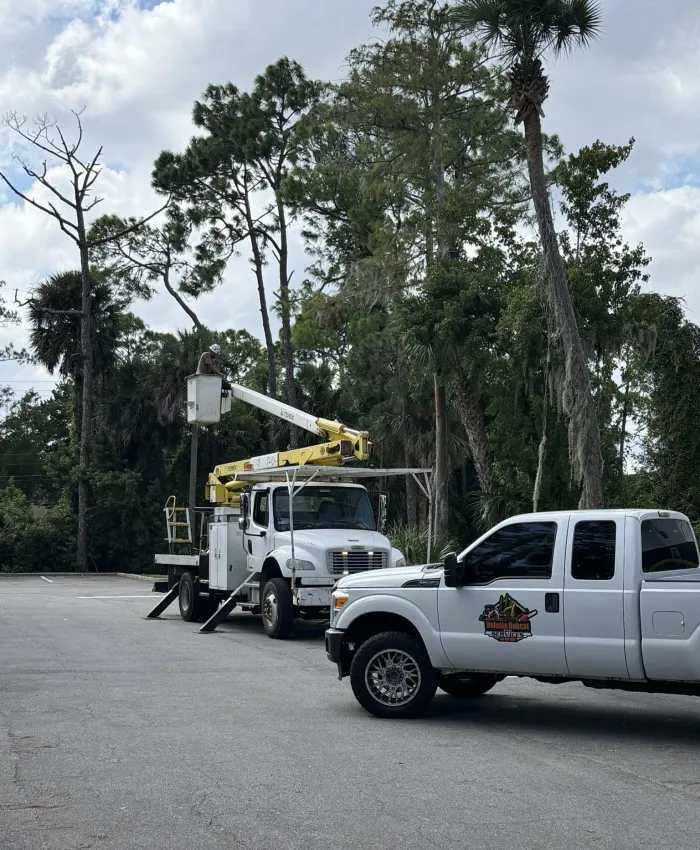
Price varies widely depending on the tree size, location, and accessibility. A small tree with clear access might cost a few hundred dollars. A large oak near power lines or over a house can run into the thousands. The complexity of the job drives the price. Cranes, bucket trucks, and multiple crew members add up. You are paying for skill and insurance, not just labor.
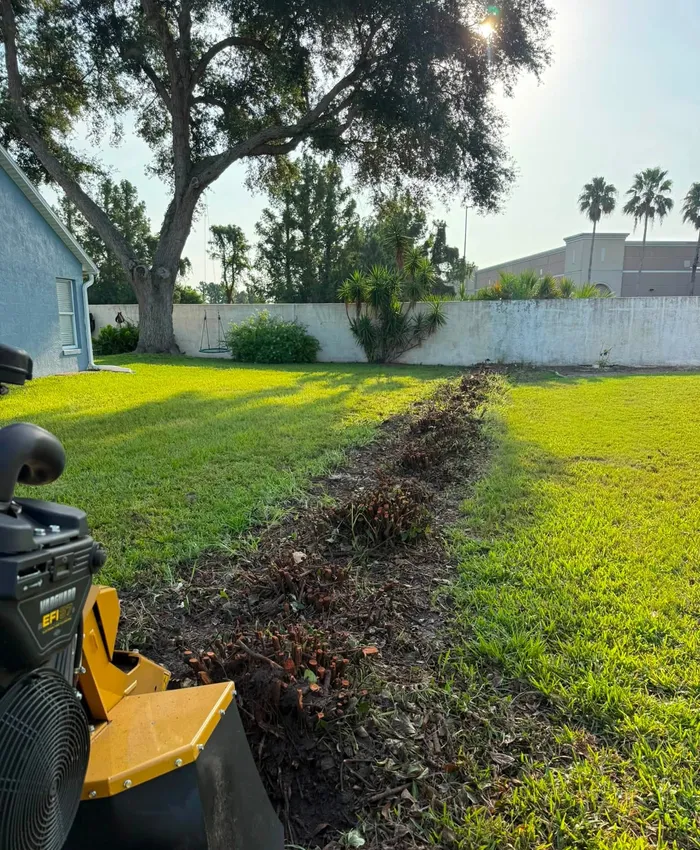
Stump grinding is usually an extra cost. Some people leave the stump and let it rot naturally, which takes years. Others want it ground down so they can plant grass or a new tree. If you are planning to replant, grind the stump at least six inches below grade. That prevents new sprouts and keeps the ground level.
Choosing a Tree Service
When you decide to move forward, look for a company that carries liability insurance and workers' compensation. Ask for proof. Any legitimate outfit will provide it without hesitation. Also ask about cleanup. Some crews haul everything away, including branches and logs. Others leave the wood in a pile. If you want firewood, that arrangement can work in your favor. Just make sure you know what is included in the quote.
References matter. A company that has been operating in your area for years will have a track record you can check. Look for reviews that mention punctuality, safety practices, and how the crew handled the property. A good crew will put down plywood to protect your driveway and use ropes to lower branches instead of dropping them.
What Happens After Removal
Once the tree is gone, you will notice the difference in light and space. That bare spot in the yard can feel empty at first, but it is also an opportunity. You can plant a new tree, one that is better suited to the location. Choose a species that stays smaller or has a stronger branch structure. Live oaks, crape myrtles, and sabal palms are common choices in our area. They handle the wind and sandy soil better than some other varieties.
You might also consider using the wood. If the tree was healthy and free of disease, the logs can be cut into firewood. Let it season for at least six months before burning. Fresh wood smokes and leaves creosote in your chimney. Stack it off the ground and cover the top to keep rain off while allowing airflow.
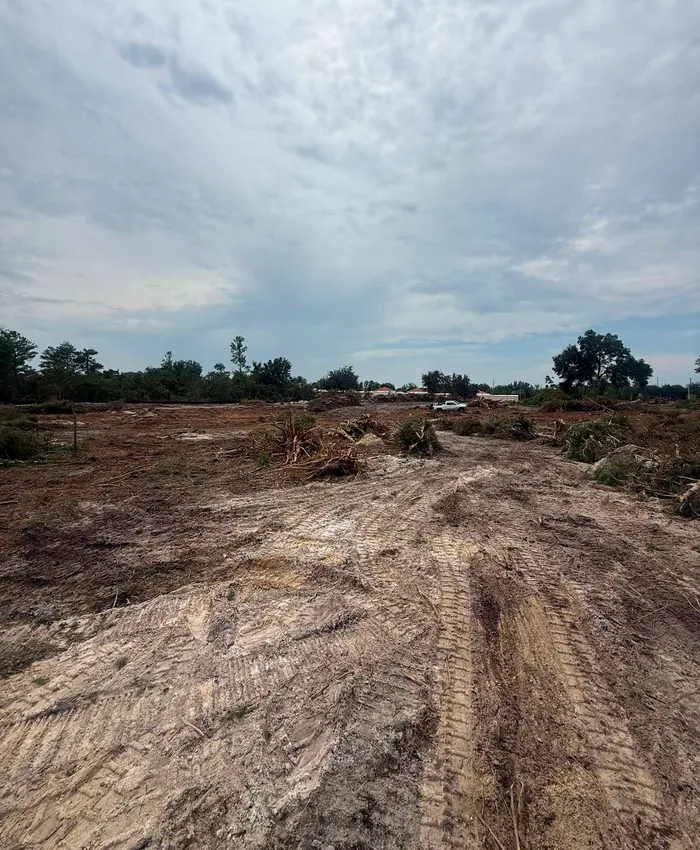
Tree removal is not the end of your yard. It is a reset. Sometimes the best thing for the landscape is to take out a tree that is past its prime and start fresh. It takes a while to get used to the new look, but most people find they enjoy the openness.
A Final Thought
If you live in Volusia County and need a reliable crew for tree removal, trimming, stump grinding, or emergency storm work, you can reach Volusia Bobcat & Tree Service at 210 Valencia Rd, DeBary, FL 32713, USA, or call +1 386-675-7898. They are a locally rooted company that handles the whole job from start to finish.
Ends · MYTREEREMOVALJOURNAL